

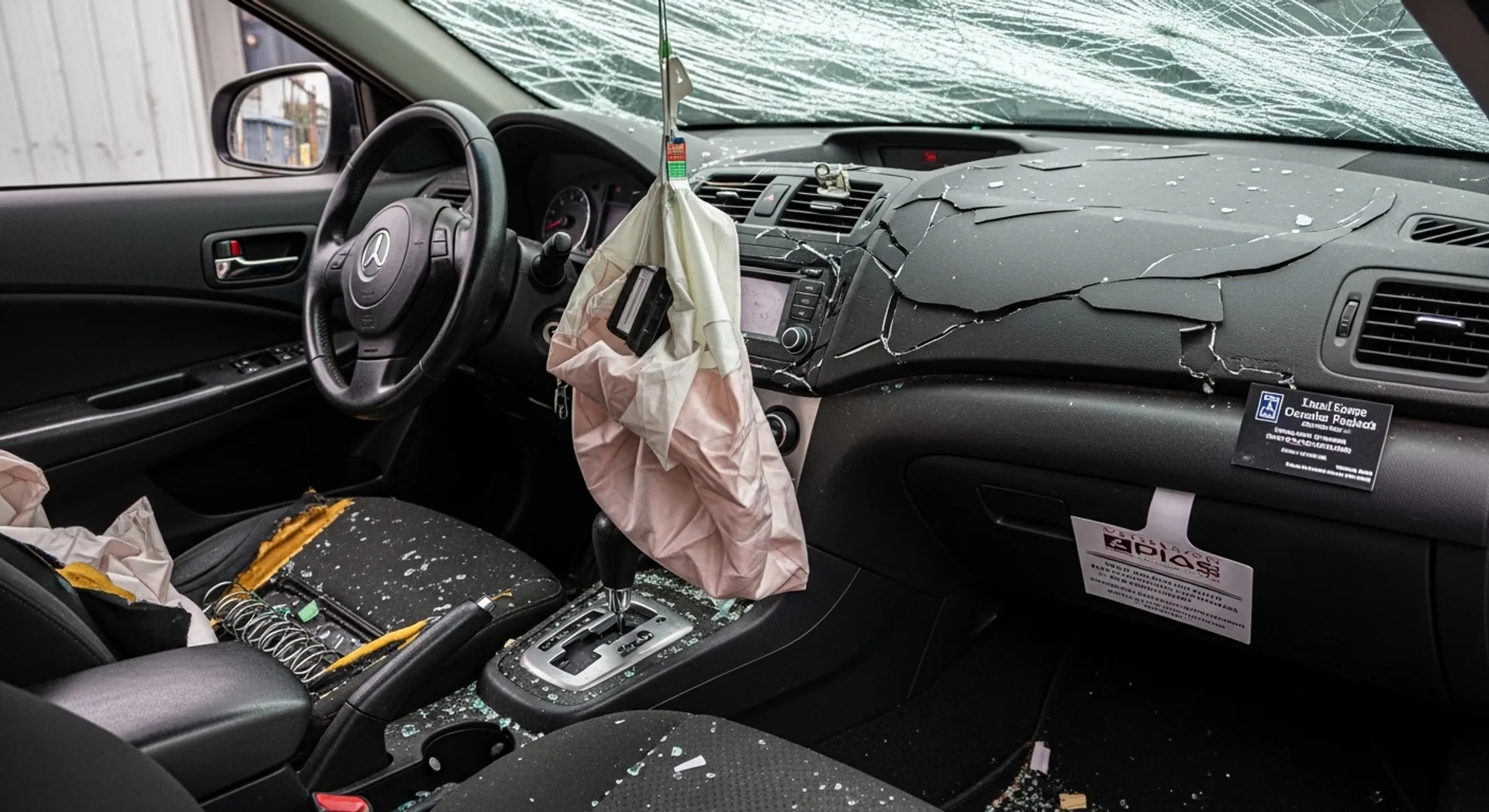
Most people assume that if an airbag deploys in a crash, it is there to protect them. Usually that is true. But in 2026, defective replacement airbags are getting renewed attention because some crash victims were not just injured by the collision itself. They were seriously hurt, or killed, because the airbag system meant to protect them allegedly contained a dangerous replacement inflator.
That changes the legal picture in a big way. A normal auto accident claim usually focuses on who caused the crash. A defective airbag case may involve a second layer of liability: who supplied, installed, sold, or allowed a dangerous part to remain inside the vehicle. If that happened, your case may be worth more than a standard negligence claim, but it is also harder and more technical.
If you were injured in a collision and believe the airbag failed, exploded abnormally, or caused unusual injuries, this is not something to brush off. In the right case, the crash was only part of the problem. The defective part may have made the injuries much worse.
Why Defective Replacement Airbags Are a Bigger Issue in 2026
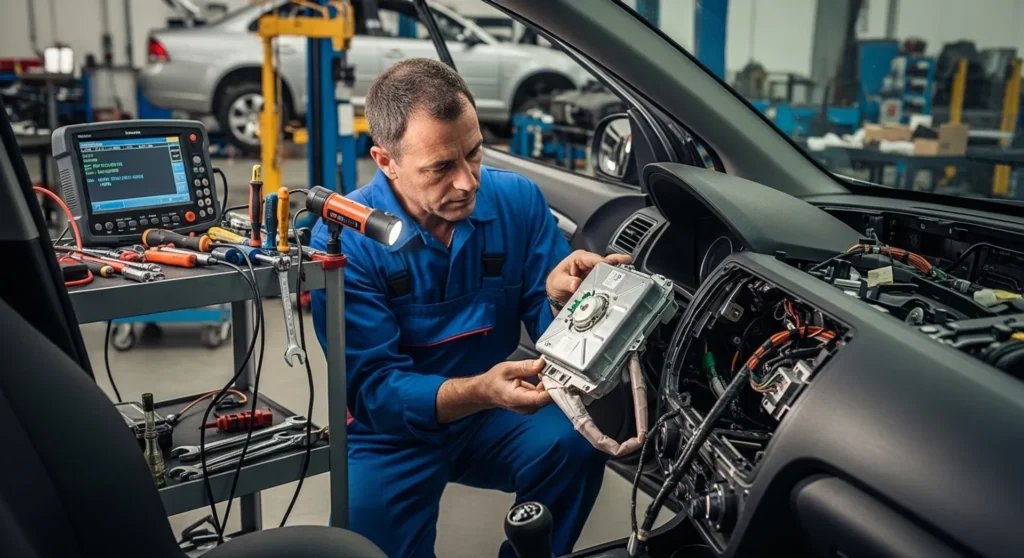
This topic is getting more attention because federal safety regulators have warned about dangerous replacement airbag inflators that may have entered the U.S. market improperly. According to recent reporting on NHTSA’s warning, these inflators have been linked to multiple deadly crashes and may rupture during deployment, sending metal fragments into the vehicle cabin. That is not a minor defect. It is the kind of failure that can turn a survivable crash into a catastrophic injury or wrongful death case.
What makes this especially dangerous is that many vehicle owners do not even know the part was replaced. A used car buyer may have no idea that a prior repair shop or seller installed an unsafe component. Some drivers only learn about the problem after a crash when the injury pattern does not match what should have happened in a normal airbag deployment.
How a Defective Airbag Can Change an Auto Accident Claim
In a typical car accident case, the main legal question is whether another driver acted negligently. Maybe they were distracted, speeding, intoxicated, or ran a red light. In an airbag defect case, those facts may still matter, but they are not the whole story. The claim may also involve product liability.
That means the case can shift from “Who caused the crash?” to “Did a dangerous vehicle component make the injuries worse than they should have been?” Even if another driver clearly caused the collision, the manufacturer, parts supplier, installer, seller, or repair facility may also share responsibility if a defective replacement airbag contributed to the harm.
Common Warning Signs of a Defective Airbag Issue
Not every airbag injury means the airbag was defective. Airbags deploy with force and can cause bruising, burns, or abrasions even when they work correctly. But some facts should raise immediate concern.
- Metal fragments or shrapnel injuries after deployment
- An airbag that explodes unusually violently
- The airbag failing to deploy in a crash where it should have
- Warning lights or prior repair issues involving the airbag system
- A used vehicle with an unclear repair history
- Recent body-shop or collision repairs before the crash
If any of those issues are present, the vehicle and its repair history need to be examined before evidence disappears.
Who May Be Liable in a Defective Replacement Airbag Case?
One of the biggest mistakes people make is assuming only the at-fault driver matters. In a defective airbag case, multiple parties may be responsible depending on the facts.
1. The At-Fault Driver
If another driver caused the collision, that driver may still be liable for the underlying crash and the injuries that followed.
2. The Airbag or Parts Manufacturer
If the inflator or airbag component was defectively designed or manufactured, the company behind the part may face product liability claims.
3. The Repair Shop or Installer
If a body shop or repair facility installed an unsafe, counterfeit, or noncompliant replacement airbag, that shop may be a major part of the case.
4. The Dealer or Seller
If a dealership or vehicle seller passed along a car containing a dangerous replacement airbag without proper disclosure, that may raise separate liability issues.
5. Other Companies in the Supply Chain
Distributors, importers, and parts brokers may also become relevant if the dangerous component moved through multiple hands before installation.
Why These Cases Are More Technical Than Ordinary Crash Claims
Defective airbag cases are harder because the evidence is not just the crash scene. The vehicle itself matters. The airbag module matters. The repair history matters. The parts source matters. If the vehicle is salvaged, repaired, or destroyed too quickly, key evidence may vanish before anyone figures out what really happened.
That is why preserving the vehicle is critical. A standard accident case may survive with photos, witness statements, and a police report. A product-related case often needs inspection of the actual component, records from repair facilities, part numbers, and a timeline of prior damage and repairs.
This is a natural place to add internal links to How Attorneys Facilitate Communication With Insurance Companies After Your Accident and Hit-and-Run Car Accidents: What Victims Can Do to Recover Compensation.
What Victims Should Do After a Crash If an Airbag Defect Is Suspected
The first steps after the collision matter a lot.
Get medical treatment immediately
Your health comes first. Unusual facial trauma, neck injuries, chest injuries, eye injuries, and lacerations should be taken seriously.
Preserve the vehicle if possible
Do not authorize major repairs or let the vehicle disappear into salvage without understanding whether the airbag system may be evidence.
Take detailed photos
Document the vehicle interior, deployed airbags, warning lights, shattered components, cuts, burns, and any visible debris or fragments.
Collect repair and purchase records
If the vehicle was repaired after a prior crash, that history may become central to the case. Used-car records can also matter.
Be careful with insurer statements
Insurance companies may try to treat the case like a simple collision before the product-defect issue is understood.
This section can also link to How to Navigate Uninsured Motorist Claims in California if coverage becomes a problem, or to Distracted Driving Still Tops the List in California Car Crashes if the crash also involved obvious driver negligence.
What Compensation May Be Available?

If a defective replacement airbag contributed to your injuries, compensation may include more than the normal crash-related losses. A successful claim may involve recovery for emergency treatment, hospitalization, surgery, follow-up care, lost income, future medical needs, pain and suffering, and permanent impairment. In fatal cases, surviving family members may also have wrongful death claims.
When a dangerous replacement part made the injuries worse, the legal value of the case may go beyond what would have existed from the collision alone. That is why these cases need careful analysis instead of a quick insurance settlement.
Why Fast Investigation Matters
Time works against victims in defect cases. Vehicles are totaled. Parts get discarded. Shops close files. Records get harder to obtain. The longer a person waits, the easier it becomes for the defense to argue that the evidence is incomplete or that the crash itself, not the part, caused all of the harm.
A strong attorney will want to preserve the vehicle, identify who repaired it, determine whether a replacement airbag was installed, review the repair chain, and evaluate whether a product liability claim should be added to the auto accident case.
Final Thoughts
Defective replacement airbags are one of the most important auto-injury topics to watch in 2026 because they show how a crash can become much worse when a dangerous part is hidden inside the vehicle. Sometimes the at-fault driver is only part of the case. Sometimes the real story includes a defective component, a questionable repair, or an unsafe part that never should have been there.
If you were hurt in a car accident and the airbag deployment seemed abnormal, unusually violent, or inconsistent with the crash, do not ignore that detail. Preserve the vehicle, gather the repair records, and investigate whether the part itself contributed to the injuries.
For general vehicle-safety and recall information, see the NHTSA recall lookup tool.