
Most people assume a crash is a crash. Someone causes the collision, insurance gets involved, medical treatment begins, and the injury claim follows the usual path. That assumption can seriously damage a case when the other vehicle belongs to a city, county, state agency, school district, transit system, or another public entity. In government vehicle accidents in California, the legal process can move much faster than victims expect, and missing one early deadline can wreck an otherwise strong claim.
That is why this topic matters in 2026. Many injured drivers know California usually gives personal injury victims more time to file a lawsuit. What they do not realize is that crashes involving public agencies often trigger a different claim process first. Instead of treating the case like a standard insurance dispute, victims may need to identify the correct public entity, preserve evidence early, and file a government claim long before an ordinary lawsuit deadline would expire.
This article fills a real gap on your site. Auto Accident Lawyer already covers insurance-company communication, uninsured motorist claims in California, and self-driving car liability. A focused government-vehicle post fits naturally because it adds another high-stakes claim type where timing and evidence matter more than most people realize.
What counts as a government vehicle accident?
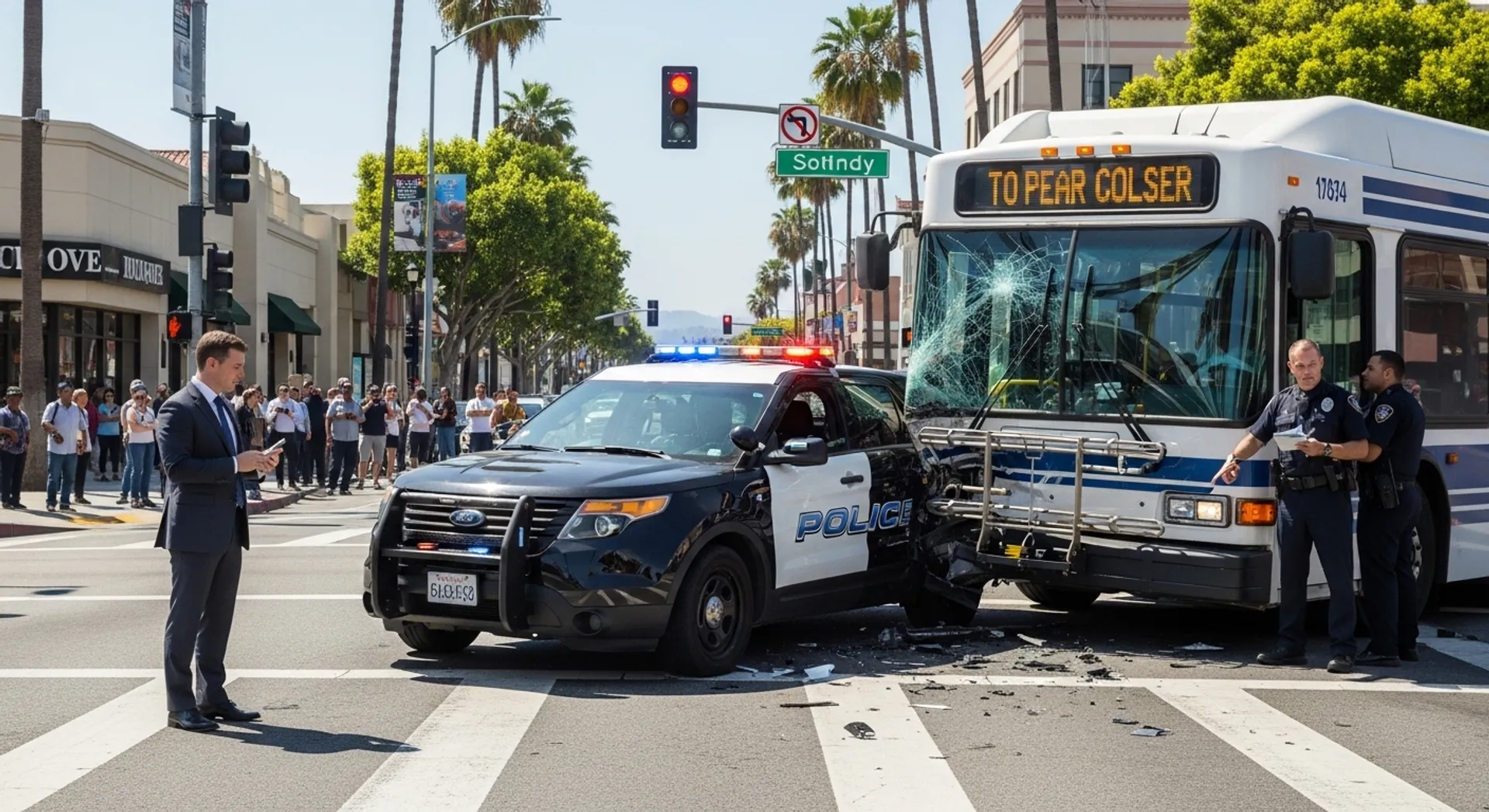
A government vehicle accident can involve much more than a police car or city bus. The vehicle may belong to:
- a city department,
- a county agency,
- the State of California,
- a public school district,
- a sanitation or utility department,
- a transit authority,
- or another public employee acting within the scope of the job.
In some cases, the public entity’s role is obvious because the vehicle is marked. In others, it is less obvious. A pickup truck, maintenance van, or contractor-related vehicle may require more investigation before the right defendant becomes clear. That matters because a victim who spends too much time treating the crash like a normal insurance case may lose valuable time before figuring out that a public entity is involved.
Why these claims are different from ordinary car accident cases
The biggest difference is procedure. In a standard California injury case, the focus usually starts with insurance and fault. In a government-related crash, there is often an extra step before a lawsuit can even begin. That step is commonly called a government claim.
Victims often miss this because the accident scene may feel routine. The other driver rear-ended them, failed to yield, made an unsafe turn, backed into them, or caused a chain-reaction crash. The negligence looks familiar. But when the negligent driver was working for a public entity, the case is no longer on the same timeline as an ordinary private-party collision.
This is exactly why many victims get caught off guard. They spend months dealing with repairs, treatment, and adjusters, only to learn later that the first legal deadline already passed.
Why the 6-month deadline matters so much
California government-claim cases are unforgiving about timing. If the crash involves personal injury or damage to your property, the deadline to present the claim is often measured in months, not years. That is a brutal difference for people who are still trying to recover physically and financially.
The practical problem is simple: accident victims are usually focused on surviving the crash, getting medical treatment, missing work, and dealing with pain. They are not sitting at home researching whether the truck that hit them belonged to a city department or whether the bus was operated by a public transit agency. Unfortunately, the legal system does not pause just because the victim is overwhelmed.
That is why an early investigation matters so much. If the government connection is identified fast, the claim can move on the proper track. If it is identified late, the case may become far harder to save.
Common examples of public-entity vehicle cases
City or county fleet crashes
These may involve maintenance vehicles, public works trucks, code-enforcement vehicles, inspector cars, or municipal pickups. The crash may look ordinary, but the employer relationship changes the legal process.
Police, sheriff, or emergency-response collisions
These cases can be especially complicated because the defense may argue emergency conditions, urgency, or special privileges. That does not automatically defeat the claim, but it does make facts and documentation more important.
School district and public transit vehicles
School buses, district vans, and transit vehicles can cause major injuries because of their size and passenger exposure. These cases often involve public-entity procedures plus larger evidence issues such as onboard video, route logs, and maintenance records.
State vehicle crashes
If the vehicle belongs to a state agency, the claim process may run through California’s Government Claims Program rather than a city or county claims office. That is why identifying the exact public entity matters early.
What victims should do immediately after the crash
- Get medical care. Your health comes first, and early records also help connect the injuries to the crash.
- Call law enforcement and get the report information. The report may help identify the agency, employee, and vehicle ownership.
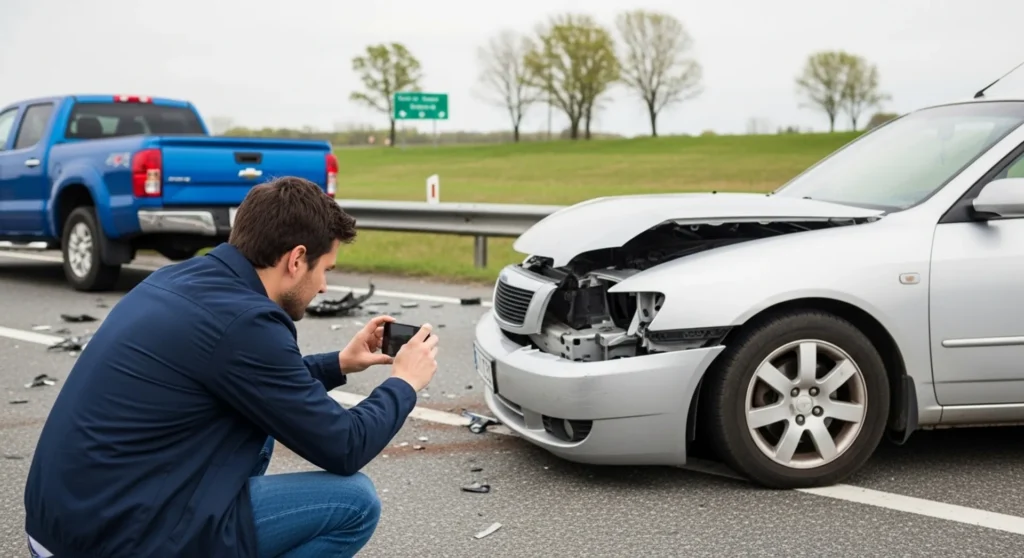
- Photograph everything. Capture the vehicles, plates, fleet markings, roadway, signals, damage, debris, and visible injuries.
- Write down anything that identifies the public entity. Agency names, badge numbers, vehicle unit numbers, and witness details can all matter.
- Preserve all paperwork. Medical bills, repair estimates, time missed from work, towing receipts, and insurance correspondence all help.
- Do not assume the ordinary 2-year deadline is the only one that matters. Government-claim timing can come much sooner.
If your own insurer gets involved early, the site’s article on how attorneys facilitate communication with insurance companies is a helpful companion, because government-related crashes can still trigger the same adjuster tactics victims face in private-party cases.
What evidence can strengthen a government vehicle claim?
These cases are often won or lost on documentation. Useful evidence may include:
- photos of the vehicles and scene,
- the traffic collision report,
- witness names and statements,
- medical records and treatment timelines,
- video footage from dashcams, businesses, or public transit cameras,
- vehicle ownership details,
- job-duty information showing the employee was working at the time.
Some cases also involve maintenance records, dispatch logs, bodycam or onboard camera footage, route data, and agency incident reports. Those records may not stay easy to access forever, which is one more reason delay is dangerous.
Insurance is still part of the problem, but not the whole problem
Victims sometimes think, “I’ll just deal with the insurer first.” That can be a mistake. Insurance still matters, but it is not the only issue. The claim may involve a public-entity procedure, a shorter deadline, and a different investigation path. In other words, even if the collision feels like a normal liability case, it should not be treated casually.
That does not mean every crash with a government vehicle turns into a lawsuit. Some claims resolve without formal litigation. But the key point stays the same: if the required claim is not presented properly and on time, leverage can disappear fast.
How comparative fault can still affect the case
Public-entity involvement does not eliminate comparative fault arguments. The defense may still say you were speeding, following too closely, distracted, or otherwise partly responsible. That is why government-vehicle cases still need the same kind of strong factual development seen in other crash cases.
If fault is disputed, this also pairs well with the site’s broader content on comparative negligence and accident evidence. The government deadline is one issue. Proving what actually happened is another.
Do not forget the SR-1 reporting issue
Many California drivers focus on police reports and insurance notice and completely miss the DMV reporting requirement. That is risky. If the collision involved injury, death, or enough property damage, the SR-1 can become another important deadline separate from the government-claim process. Missing small reporting steps creates avoidable problems in an already difficult case.
What compensation may be available?

If the claim is handled correctly, compensation may include medical expenses, future treatment, lost wages, reduced earning capacity, property damage, pain and suffering, and other crash-related losses. The exact value depends on the severity of the injuries, clarity of fault, available evidence, and how well damages are documented.
As with other serious cases on your site, the value of the claim is not just about the collision itself. It is about everything the crash changed afterward.
Final thoughts
Government vehicle accidents in California are dangerous not only because of the crash, but because victims often do not realize the legal timeline is different until it is already too late. A case that looks straightforward on day one can become much more technical once a public entity is involved.
If the other vehicle belonged to a city, county, school district, state agency, or other public body, do not treat the case like an ordinary insurance claim and hope the details sort themselves out later. Get medical care, preserve the evidence, identify the correct public entity, and move quickly before a short deadline does the defense’s work for them.