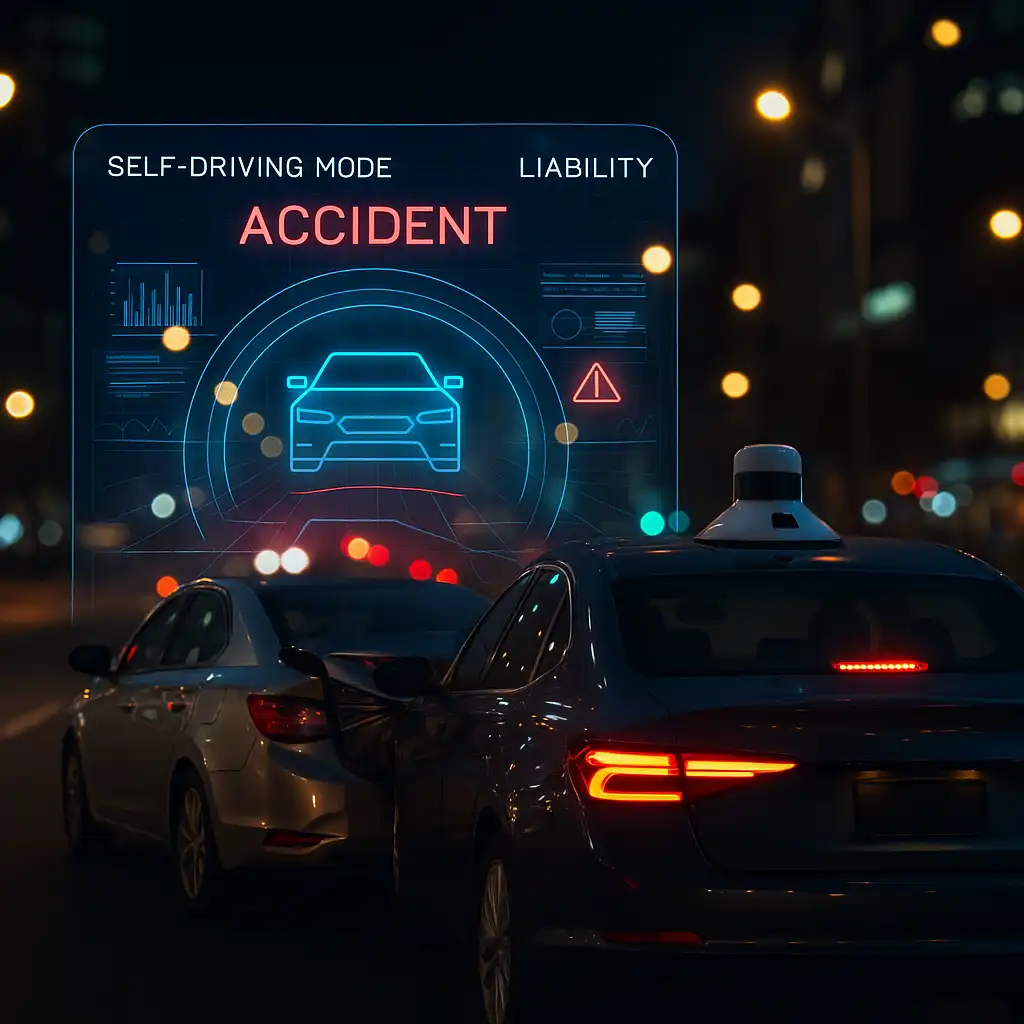
The automotive world is on the brink of a technological revolution. Self-driving cars—once the stuff of science fiction—are now sharing the roads with human drivers. But as these autonomous vehicles become more common, so do new questions about accident liability. Who’s responsible when a self-driving car crashes—the driver, the manufacturer, or the software developer? Let’s break down how these issues are shaping the future of personal injury law in the United States.
The Rise of Self-Driving Technology
Companies like Tesla, Waymo, and Cruise are pushing the boundaries of automation, developing cars that can navigate traffic with little to no human input. These vehicles use sensors, AI algorithms, and radar systems to detect obstacles and react faster than most humans could. Yet, even with these advancements, accidents still happen—often raising complex legal debates about fault.
Understanding Levels of Automation
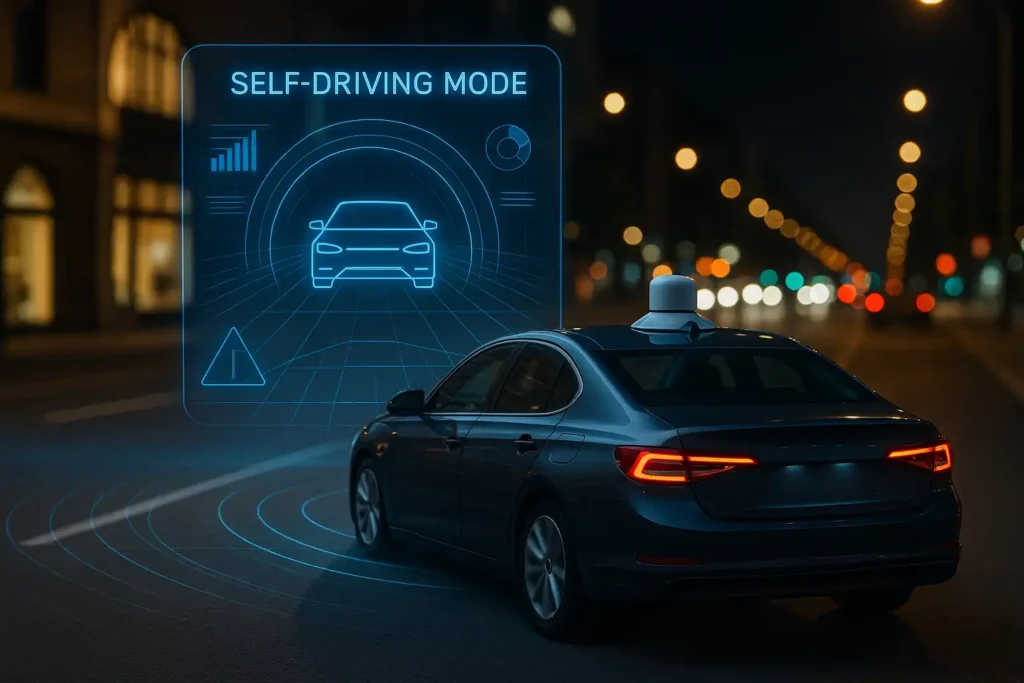
The Society of Automotive Engineers (SAE) defines six levels of vehicle automation—from Level 0 (fully manual) to Level 5 (fully autonomous). Most cars today fall between Level 2 and Level 3, where human oversight is still required. Knowing your vehicle’s level of automation is critical because it directly impacts who can be held liable in an accident.
- Level 2: The system assists with braking, steering, or acceleration, but the driver must remain alert.
- Level 3: The car can make certain driving decisions, but human intervention may still be needed.
- Level 4–5: These cars operate independently in most conditions, with no driver input required.
Who Is Liable in a Self-Driving Car Accident?
In traditional car accidents, liability usually falls on the driver who acted negligently. However, when autonomous systems take over, that line blurs. The following parties may share responsibility:
1. The Human Driver
If the driver failed to take control when the vehicle requested intervention, they might still be at fault. For instance, a driver who ignored a system warning or fell asleep behind the wheel could be held liable.
2. The Vehicle Manufacturer
Manufacturers like Tesla and GM could face liability if a design flaw, software error, or sensor failure caused the accident. These are known as product liability claims—cases that focus on defective parts or faulty programming rather than driver behavior.
3. The Software Developer
In cases where autonomous systems rely on third-party software for navigation or collision avoidance, the developers themselves might share the blame. This is especially true when algorithmic bias or data errors lead to accidents involving pedestrians or cyclists.
4. The Maintenance Provider
Regular updates and calibration are essential for AI-driven vehicles. If improper maintenance or outdated firmware contributes to an accident, the technician or service center might be partially liable.
Recent Self-Driving Car Accident Cases
Several high-profile cases have already tested the boundaries of this new legal territory. In California and Arizona, incidents involving autonomous vehicles operated by companies like Uber and Cruise led to debates over corporate responsibility. These cases highlight how state laws differ when determining fault.
In Los Angeles, self-driving car liability may depend on whether the driver maintained proper supervision. Under California’s Vehicle Code, operators must remain capable of taking control at all times—even when the car is in autonomous mode.
How Insurance Handles Autonomous Vehicle Claims
Traditional insurance policies aren’t yet fully adapted to the realities of AI-driven driving. Some insurers are beginning to introduce automated vehicle coverage, where liability may shift from the individual driver to the manufacturer. However, this transition is complex and still evolving.
Victims of self-driving car accidents often find themselves navigating uncharted territory. That’s why consulting an experienced attorney is crucial. A lawyer who understands both personal injury law and autonomous vehicle technology can help determine who is truly at fault.
Legal Challenges Ahead
The integration of self-driving cars into everyday traffic raises several unresolved legal questions:
- How can courts verify the accuracy of AI-generated driving logs?
- What happens when two autonomous vehicles collide?
- Can AI algorithms be subpoenaed or audited during a lawsuit?
- Who owns the data collected during an accident—the driver or the manufacturer?
Until legislation catches up, these cases will likely continue to be decided on a case-by-case basis. Legal experts are already advocating for clearer federal guidelines to ensure consistent rulings across states.
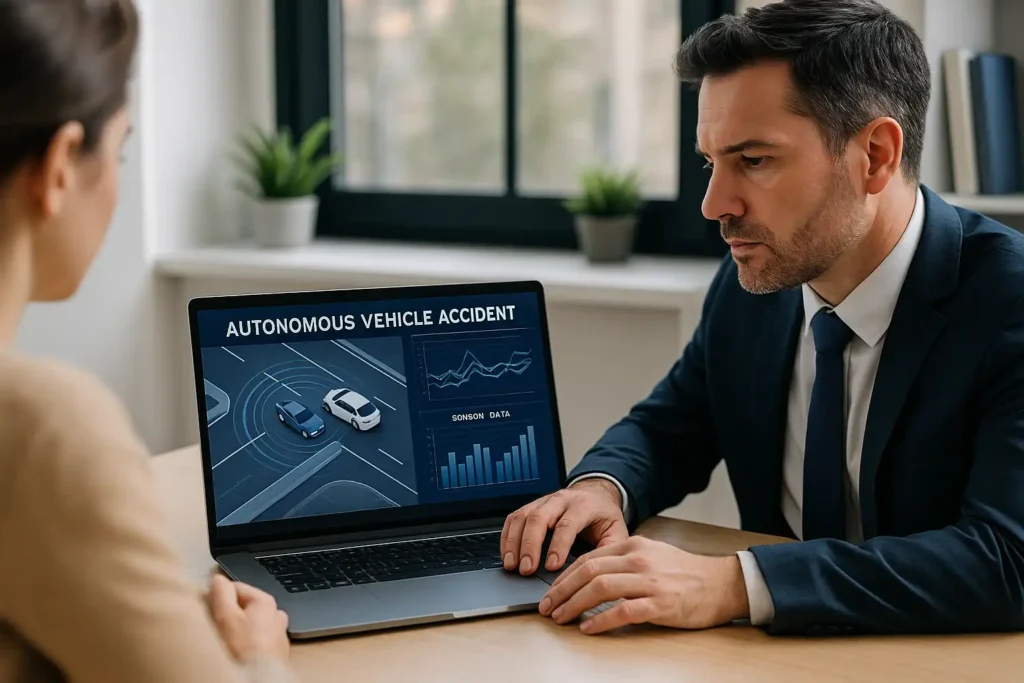
Protecting Your Rights After a Self-Driving Car Accident
If you’ve been injured in a crash involving a self-driving car, take the same steps you would after any accident—but also preserve the car’s digital data. This includes sensor logs, dashcam footage, and black box information. These details are often crucial for proving liability.
You should also:
- Report the incident to law enforcement immediately.
- Collect witness statements and contact details.
- Take photos of all damages and surroundings.
- Consult an experienced auto accident lawyer familiar with autonomous vehicle cases.
The Future of Liability and Legislation
As automation becomes mainstream, lawmakers will need to redefine concepts like “driver” and “operator.” Some states, including California, are already drafting frameworks to hold manufacturers accountable for AI errors. This shift could result in a hybrid liability system that balances human oversight with technological responsibility.
Ultimately, the goal is not just to assign blame but to promote accountability and innovation safely. As self-driving cars evolve, so too must the legal systems that govern them.
Conclusion
Self-driving cars promise convenience and safety—but when accidents occur, determining liability can be far more complex than in traditional cases. Victims must understand how this technology affects fault, insurance, and compensation rights. By working with a knowledgeable attorney, you can ensure your case is backed by strong evidence and legal insight.
For more related resources, explore our guide on Proving Fault in Car Accidents and How to File an Auto Accident Claim. To learn more about national safety standards, visit the NHTSA’s Automated Vehicle Safety Center.