
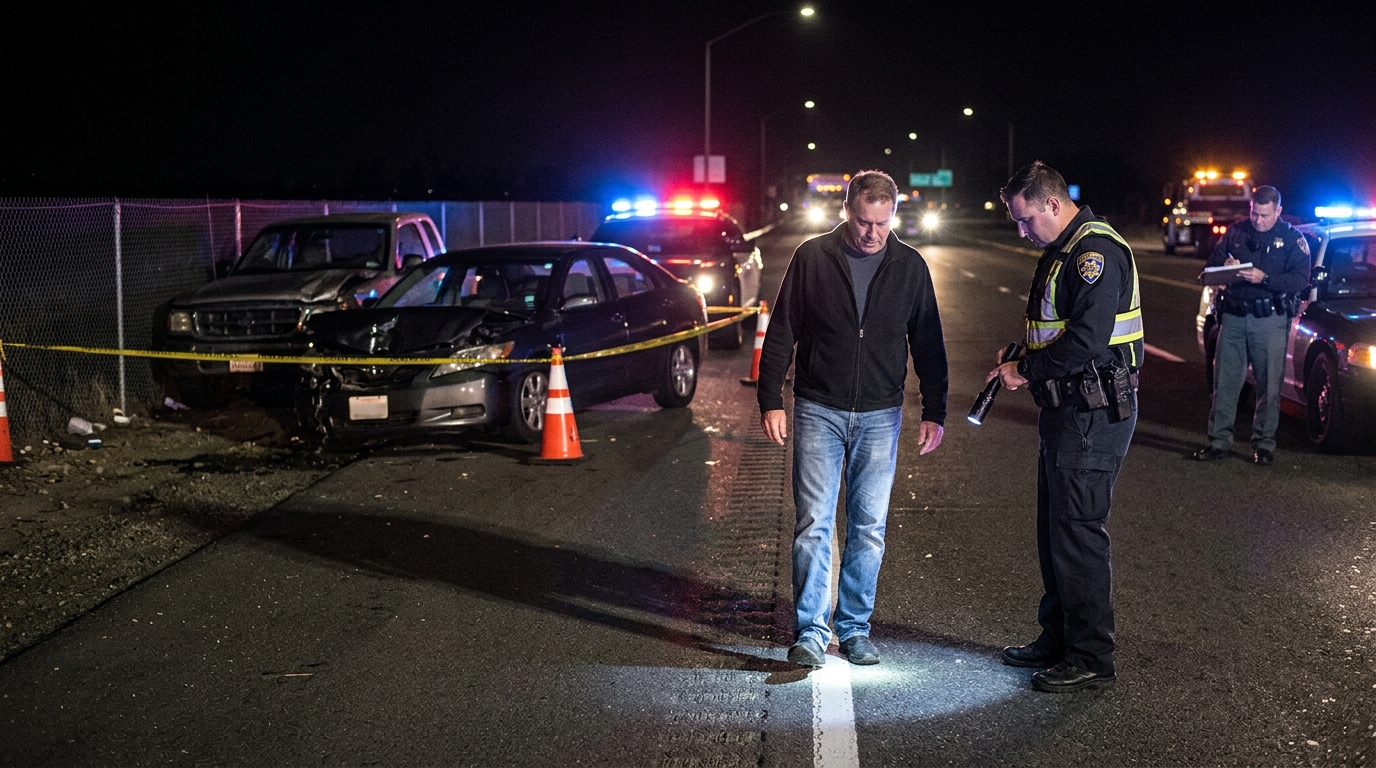
A California DUI crash claim can involve more than a normal car accident. When a drunk or drug-impaired driver causes a collision, the injured person may face medical bills, lost income, pain, vehicle damage, and aggressive insurance questions. The case may also raise deeper issues, such as whether the driver had prior DUI history, ignored an ignition interlock requirement, fled the scene, or acted with conscious disregard for public safety.
This topic matters in 2026 because California continues to focus on impaired-driving accountability. DUI crashes do not only affect the criminal court system. They can also shape civil injury claims. A criminal arrest, chemical test, conviction, probation term, or ignition interlock issue may help explain why the crash happened and why the victim should not be blamed for another driver’s dangerous choice.
Still, injured people should not assume a DUI arrest automatically guarantees fair compensation. Insurance companies may still dispute injury severity, medical treatment, causation, policy limits, and shared fault. A strong claim needs evidence that proves both the impaired driving and the full harm caused by the crash.
This article is for educational purposes only and is not legal advice. Every auto accident claim depends on the facts, injuries, insurance coverage, evidence, and legal deadlines.
Why DUI Crash Claims Are Different From Ordinary Accident Claims
Most car accident claims focus on negligence. A driver looked away, followed too closely, ran a red light, changed lanes unsafely, or failed to yield. DUI cases can involve negligence too, but they often show a higher level of danger. A person who drives while impaired puts everyone nearby at risk before the crash even happens.
That difference matters when reviewing liability, damages, and settlement value. The injured person may need to prove how impairment affected the driver’s reaction time, lane control, speed, braking, judgment, and ability to avoid the collision. The claim may also involve police investigation records, breath or blood testing, field sobriety observations, open containers, drug evidence, and witness statements about the driver’s behavior.
For official safety background, NHTSA reports that drunk-driving crashes remain a major cause of roadway deaths in the United States. You can review its impaired-driving safety page here: NHTSA Drunk Driving Statistics and Resources.
Impairment evidence can change the fault analysis
Impairment can explain why a driver made a dangerous decision. A DUI driver may drift across lanes, enter an intersection late, ignore a red light, drive the wrong way, speed through traffic, or fail to brake before impact. Those facts may support the injured person’s version of events.
However, the victim still needs proof. A police report may identify suspected impairment, but the civil claim should also preserve photos, video, witness details, medical records, vehicle damage, and insurance documents. Do not rely only on the criminal case. A civil injury claim has its own evidence needs.
Your existing article on California Dashcam and Vehicle Data Accident Claims in 2026 is a strong internal link here. Dashcams, event data recorders, and telematics can help show speed, braking, steering, lane position, and the moments before impact.
Police reports and chemical tests matter, but they are not the whole case
A DUI arrest can help the claim, but it does not prove every part of the injury case. The victim still needs medical proof, wage records, treatment history, repair estimates, and evidence of pain and daily-life impact. Insurance companies may accept that the other driver was impaired yet still argue that the injuries are exaggerated.
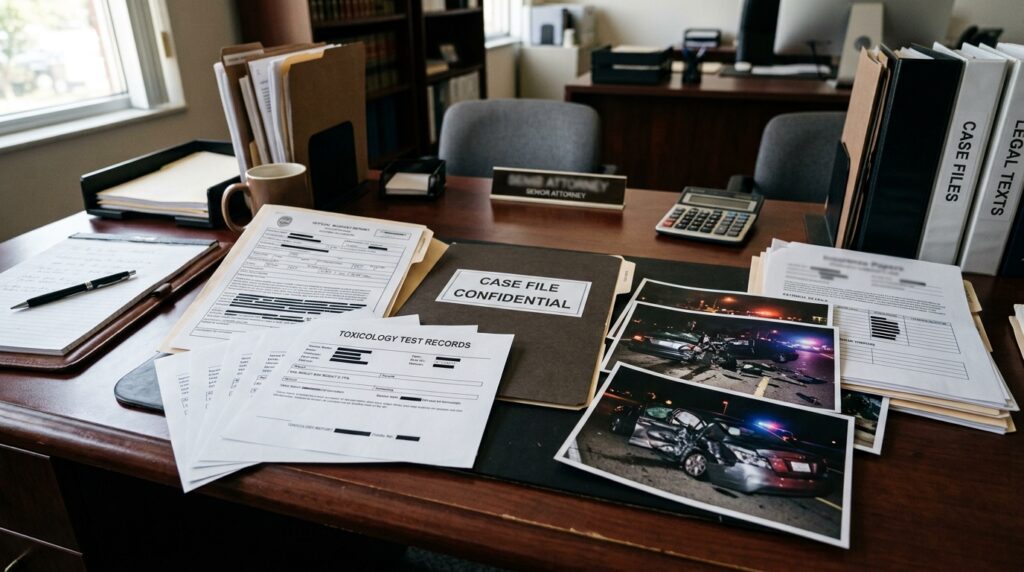
Keep the police report number, officer information, citation details, arrest details, and any court information you receive. Also keep emergency records, hospital paperwork, imaging results, prescriptions, therapy notes, work restrictions, and bills.
Witnesses can describe the driver before the crash
Witnesses may notice signs that video does not capture. A witness may report swerving, speeding, nearly hitting another vehicle, yelling, falling asleep, stumbling, smelling alcohol, or acting confused. These observations can support the impairment theory.
Get witness names and contact information quickly. If a witness recorded the driver before or after the crash, ask them to preserve the original video. A short clip may show unsafe driving, but the full version can show the timeline more clearly.
Ignition interlock and repeat-offender issues may affect the story
Ignition interlock devices can become important when the at-fault driver had a prior DUI or a restricted license. If the driver should have used an ignition interlock device but drove without one, that fact may strengthen the argument that the driver ignored known safety rules.
Repeat-offender issues may also matter. A driver with prior DUI history may have received warnings about the risk of impaired driving. In some cases, that history can affect how attorneys review punitive damages, settlement strategy, and the seriousness of the conduct.
The California DMV’s 2026 new-laws update includes impaired-driving related changes, including longer probation terms for vehicular manslaughter or gross vehicular manslaughter while intoxicated. Readers can review the official update here: California DMV 2026 New Laws Update.
Do not assume the criminal case will handle your losses
The criminal case focuses on public punishment. The civil claim focuses on compensation for the injured person. Restitution may not cover the full value of medical care, lost income, pain, future treatment, emotional distress, and reduced quality of life.
Victims should track the criminal case, but they should also protect the civil claim. Save records, follow treatment, identify insurance coverage, and avoid waiting for the criminal case to finish before reviewing civil deadlines.
How to Protect a California DUI Crash Claim
The first step after a DUI crash is safety and medical care. Call 911, request emergency help, and move to a safe place if possible. Tell police if you saw signs of impairment, such as slurred speech, alcohol smell, open containers, erratic driving, or the driver trying to leave.
Next, document the scene. Take photos of vehicle damage, road marks, traffic signs, signals, skid marks, debris, airbags, lighting, and nearby cameras. Get names and contact information for witnesses. Save dashcam clips, phone videos, and messages related to the crash.
Do not give broad recorded statements too early. Insurance adjusters may contact victims quickly. They may sound helpful, but early statements can create problems if the victim is still in pain, medicated, shocked, or missing key facts.
Insurance companies may still dispute damages
Even with strong DUI evidence, the insurer may fight the value of the claim. It may argue that treatment was too expensive, the victim recovered quickly, the injuries existed before the crash, or the medical care was not necessary. The insurer may also point to policy limits, especially if the driver carried only minimum coverage.
Your article on California Minimum Auto Insurance Limits 2026 is a useful internal link here. DUI crashes can cause serious injuries, and minimum policy limits may not cover the full damage.
Victims should also review How Attorneys Facilitate Communication With Insurance Companies After Your Accident. DUI claims can involve tough adjuster tactics, recorded statements, medical authorization requests, and settlement pressure.
Punitive damages need stronger proof
Punitive damages may come up in DUI crash claims, but they do not apply automatically. The injured person usually needs evidence that shows more than ordinary carelessness. Prior DUI warnings, repeat misconduct, extreme intoxication, fleeing, high speed, or conscious disregard for safety may become important.
Keep the focus on proof. Save police records, witness statements, video, court updates, and any evidence showing the driver knew the risk. The stronger the conduct evidence is, the harder it becomes for the defense to reduce the case to a routine accident.
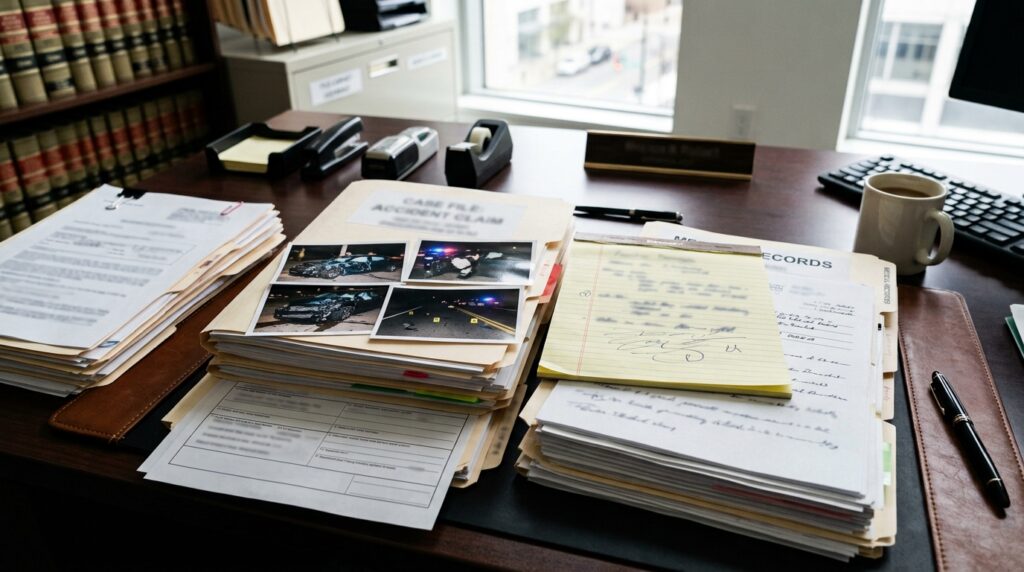

A California DUI crash claim can involve criminal evidence, civil compensation, insurance disputes, medical documentation, and sometimes punitive damages. The driver’s impairment matters, but it is only one part of the case. The victim still needs evidence that proves fault, injuries, treatment, lost income, and long-term impact.
If an impaired driver injured you, act quickly. Get medical care. Report the crash. Preserve video. Identify witnesses. Track the DUI investigation. Keep medical records organized. Then review the insurance and civil claim issues before giving broad statements or accepting a quick settlement.