

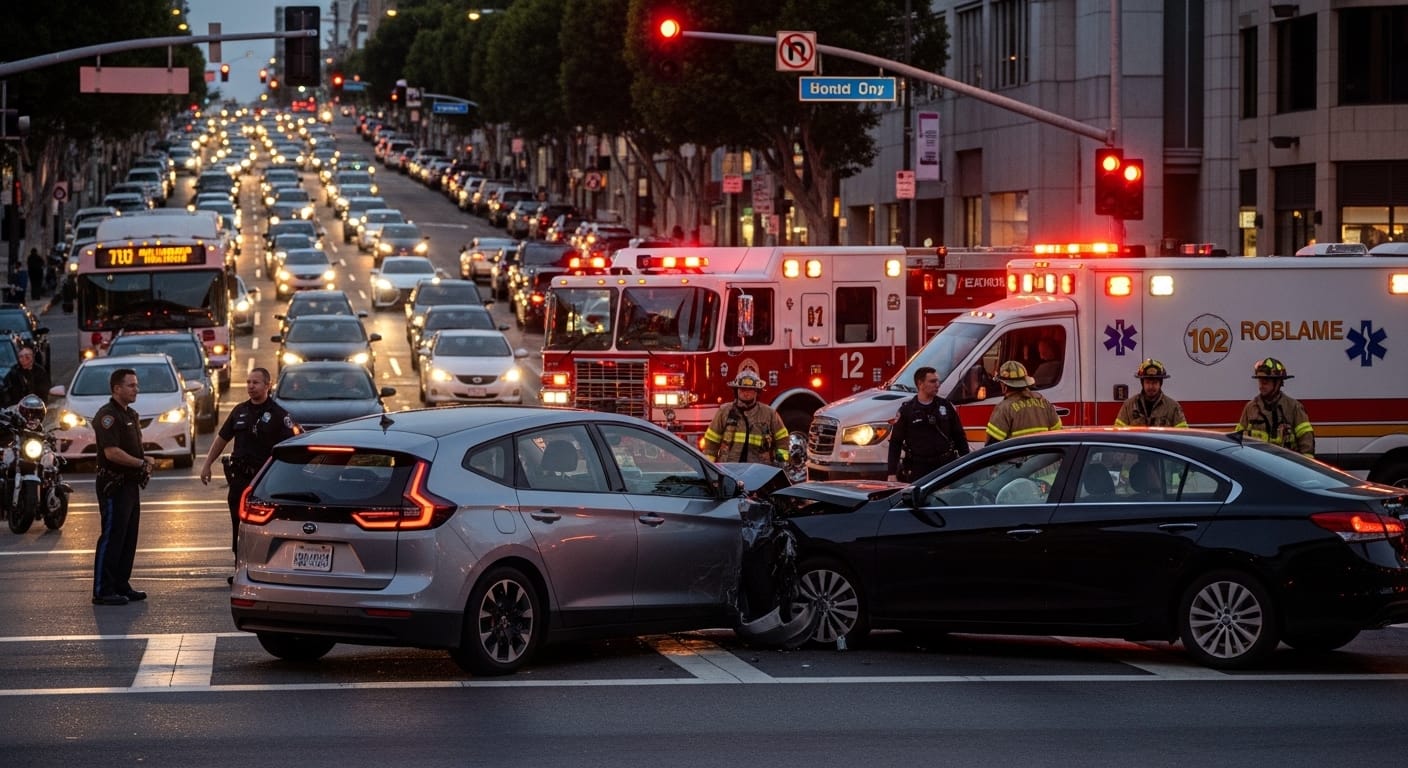
California robotaxi accident claims matter more in 2026 because autonomous ride-hailing is no longer just a future concept. It is already part of the legal and traffic conversation in California. When a crash involves a robotaxi, the injured person still deals with the same core problems seen in other car accident cases: medical bills, lost wages, pain, insurance pressure, and disputes over fault. The difference is that these claims often add another layer of evidence and another layer of legal complexity.
Many people make the same mistake at the start. They assume a robotaxi crash must be easier to prove because a large company stands behind the vehicle. Others assume the opposite and think the claim will be impossible because the technology is too complicated. Both views miss the point. These cases still depend on negligence, causation, damages, and proof. What changes is the kind of proof that matters and the number of parties who may try to control the story early.
That is why California robotaxi accident claims deserve their own discussion. A passenger may get injured while riding in an autonomous vehicle. A driver in another car may get hit during a lane change, a sudden stop, or a left-turn conflict. A pedestrian or cyclist may get hurt near an autonomous vehicle at an intersection. Each of those cases can involve standard crash evidence, but they can also involve app records, route data, fleet logs, onboard cameras, and arguments about what the vehicle detected before impact.
This topic also fits naturally with your existing content. Readers who want more background can continue to How Self-Driving Cars Are Changing the Landscape of Auto Accident Liability, California Rideshare Accident Claims in 2026, California Distracted Driving Accident Claims in 2026, and How to Navigate Uninsured Motorist Claims in California.
Why California Robotaxi Accident Claims Matter More in 2026
California robotaxi accident claims matter more now because autonomous passenger service is moving from testing talk to real public use. As more people encounter robotaxis on public roads, more injury claims will involve a vehicle that may not have a human driver making every decision in the ordinary way. That changes how victims should think about fault from the first day.
These cases create a different evidence fight
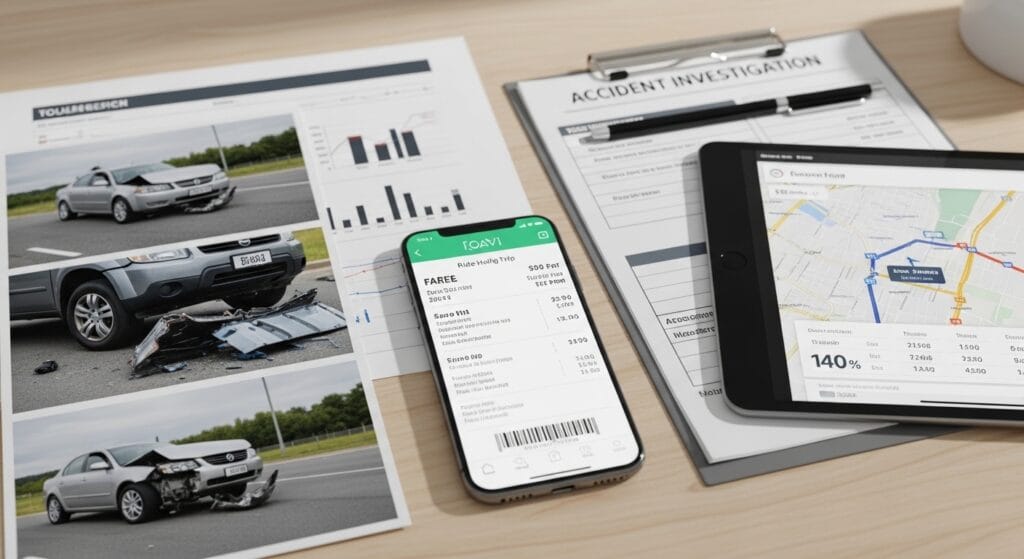
A normal crash case often starts with photos, witness statements, a police report, repair estimates, and medical records. A robotaxi case may include all of that, but it can also involve trip receipts, route details, app timestamps, camera footage, event data, and backend records held by the company. Those records may reveal what the vehicle did, what it saw, and how it responded in the seconds before the crash.
App and trip records can shape the entire claim
If the injured person was a passenger, the ride itself may generate valuable evidence. A receipt may confirm the exact trip. The app may show pickup and drop-off points, timing, route changes, and customer support messages. Those details may look minor at first, but they can become important if the company later disputes how the crash happened or what stage of the trip the passenger was in.
Company-controlled data can become a problem fast
Victims do not control most of the digital evidence in these cases. The platform or fleet operator often holds the strongest technical records. That means delay can hurt the claim. If the victim waits too long, the company may define the incident first, and key records may become harder to identify or preserve. In a robotaxi case, early evidence preservation is not optional. It is one of the main legal tasks.
Robotaxi crashes are still negligence cases at the core
The technology may feel new, but the legal framework is still familiar. Someone still has to show who acted unreasonably, how that conduct caused the collision, and what losses followed. In some cases, another human driver will remain the main at-fault party. In other cases, the robotaxi operator may face questions about vehicle behavior, monitoring, maintenance, deployment choices, or how the system handled a known traffic condition.
That is why the label “autonomous” should not distract from the real analysis. The case still turns on conduct, timing, visibility, and proof. A robotaxi company does not automatically lose because the vehicle drove itself. A human driver does not automatically win because the technology was involved. The facts still run the case.
How Fault and Compensation Work in California Robotaxi Accident Claims
Most California robotaxi accident claims still rise or fall under standard negligence and comparative fault rules. The difference is that more parties may enter the picture. Another motorist may have caused the crash. The autonomous vehicle operator may share blame. A remote support issue may matter. A roadway problem or traffic-control failure may also play a role. That broader list of possibilities makes early case framing more important than usual.
Who may be legally responsible after a robotaxi crash
Responsibility depends on what actually happened. A human driver may rear-end a robotaxi and injure the passenger. A robotaxi may stop in a confusing place and trigger a chain-reaction crash. A company may face questions about maintenance, system limits, scene response, or failure to preserve useful data. In some situations, more than one of those things may be true at once.
Why insurance can get complicated quickly
Insurance analysis in these cases can become messy. If another driver caused the crash, that driver’s policy may be the first source of recovery. If the autonomous ride service also contributed to the collision, the operator’s coverage may become central. If the at-fault driver has too little insurance, uninsured or underinsured motorist issues may matter too. That is one reason this topic pairs so well with your existing rideshare and uninsured-motorist content.
Victims often underestimate how quickly a technical case turns into a coverage case. A serious injury can burn through limits fast. When multiple injured people, multiple vehicles, or a disputed AV-response issue are involved, the money side of the claim becomes just as important as the fault side.
What evidence victims should preserve right away
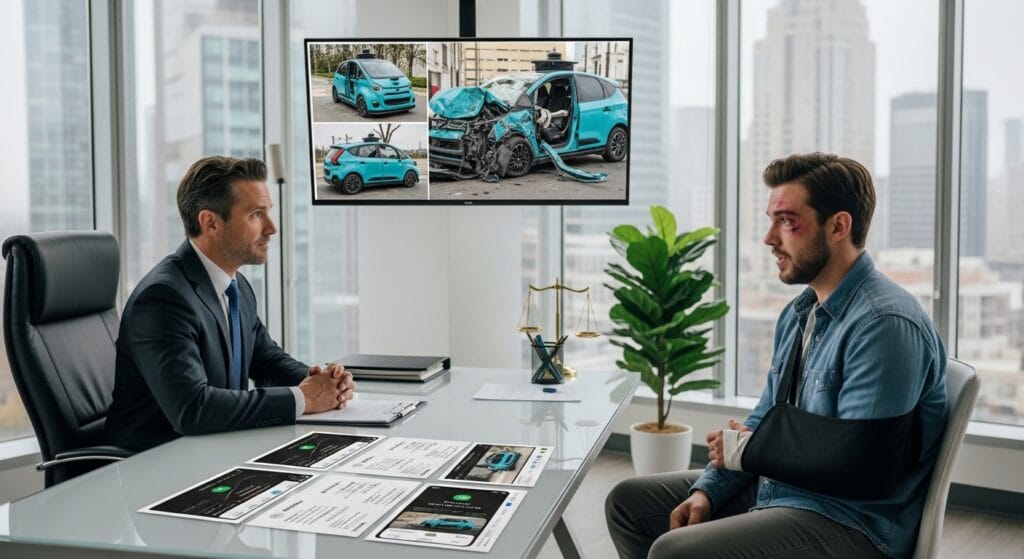
Start with the basics. Get medical care. Save screenshots from the ride app. Keep receipts, trip confirmations, emails, support chats, scene photos, witness details, and the police report number. If another vehicle was involved, collect the same information you would collect after any ordinary crash, including insurance details, plate numbers, and photos of the damage. Small details often become major details later.
Why early legal framing matters in robotaxi claims
A robotaxi claim needs structure from the start. Who controlled the vehicle at the time of impact? What records likely exist? Who holds them? What coverage may apply? Those questions should come early, not after the defense already shaped the narrative. The longer a victim waits, the easier it becomes for the strongest proof to slip out of focus.
The bottom line is simple. California robotaxi accident claims are not impossible to understand, but they do require a more disciplined approach than a standard car crash. Victims should treat them as serious evidence-preservation cases from day one. That approach gives them a better chance to prove fault, protect claim value, and avoid getting buried under a technical defense story.
For official background on the regulatory framework, readers can review the California DMV autonomous vehicle regulations page and the CPUC autonomous vehicle passenger service programs page.