Speed safety camera accident claims are becoming more important in California as cities use automated systems to fight dangerous speeding. Speed has always played a major role in serious crashes. Now, new camera programs may create another source of evidence after an auto accident.
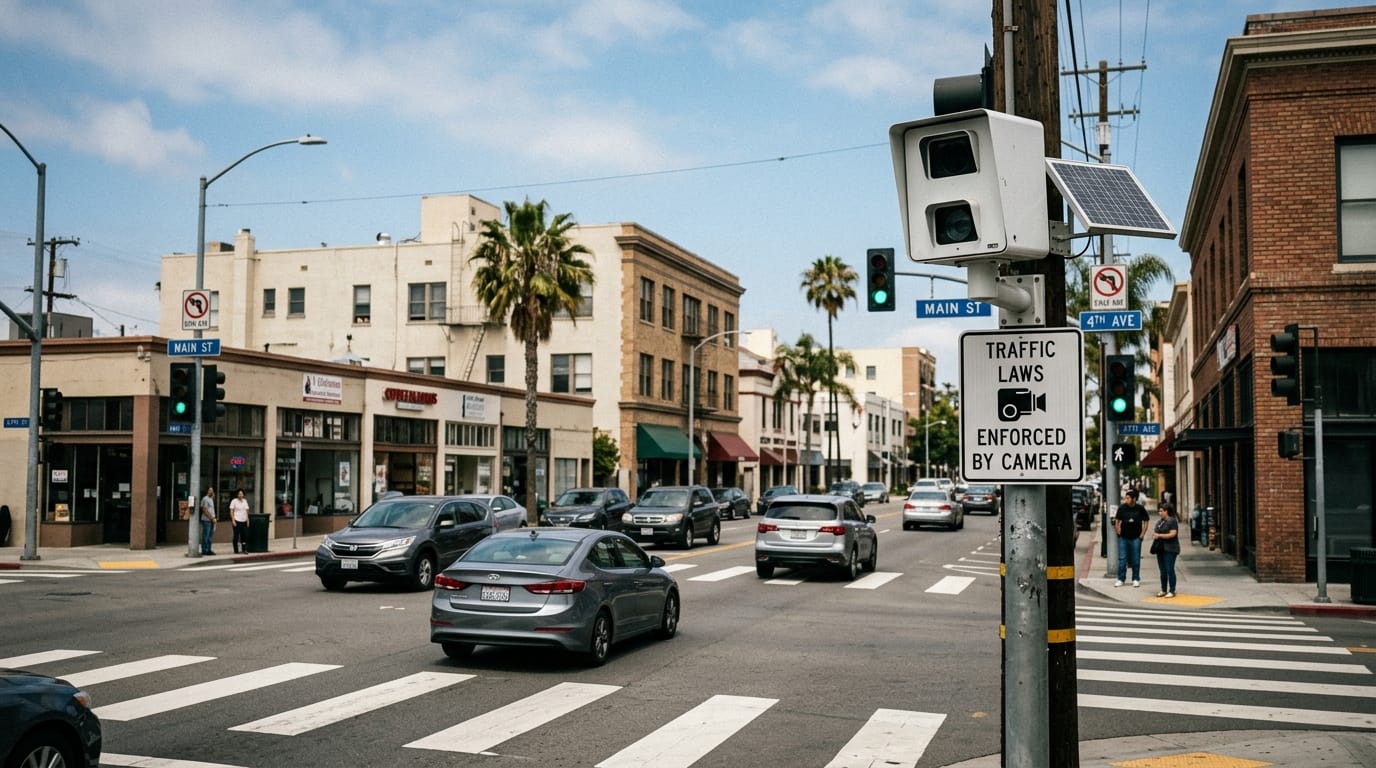
Los Angeles is one of the biggest examples. The city is moving forward with a Speed Safety Systems Pilot that will install cameras in selected high-risk areas. These systems target vehicles traveling at least 11 miles per hour over the posted speed limit. The goal is simple: reduce excessive speeding, prevent severe injuries, and protect people walking, biking, driving, or crossing the street.
For crash victims, this trend matters. Speed can affect fault, injury severity, settlement value, and insurance arguments. If a driver was speeding before impact, that fact may help explain why they could not stop, yield, turn safely, or avoid the crash.
This guide explains how speed safety camera accident claims may work, what evidence matters, and what injured people should do after a California crash involving suspected speeding.
Why Speed Safety Camera Accident Claims Are Trending in 2026
California has been paying closer attention to speeding because the numbers remain serious. The California Highway Patrol reported that unsafe speed caused more than 110,000 crashes in 2025, based on preliminary data. Those crashes caused more than 400 deaths and injured over 68,000 people.
Speeding does more than break a traffic rule. It reduces reaction time. It increases stopping distance. It also makes crashes more violent. A few extra miles per hour can change a minor collision into a life-changing injury claim.
The Los Angeles Department of Transportation explains that its speed safety systems will read rear license plates of vehicles traveling at very high speeds. LADOT says the program will issue civil speeding violations after a warning period. The agency also states that speeding contributed to 1 in 5 fatal crashes in Los Angeles in 2024.
Readers can review LADOT’s official Speed Safety System Program for current program details. They can also review the CHP’s speed enforcement announcement for statewide safety context.
How Speed Cameras May Affect Auto Accident Evidence
Speed safety camera accident claims may involve more than a police report and witness statements. In some areas, automated systems may document a vehicle’s speed, location, date, time, and license plate. That information can help show whether a driver was traveling too fast near the crash location.
However, a speed camera ticket does not automatically prove every part of an injury claim. The injured person still needs to connect the speeding to the crash. For example, the evidence should show that unsafe speed affected braking, lane position, reaction time, or impact force.
Insurance companies may still argue about fault. They may claim the speed reading came from a different moment. They may blame another driver. They may argue the victim stepped out suddenly, changed lanes, or stopped without warning. That is why victims need a complete evidence picture.
Speed Evidence Can Support Negligence
Speed evidence can support a negligence claim when it helps explain why the crash happened. A speeding driver may fail to stop for traffic, hit a pedestrian in a crosswalk, rear-end another vehicle, or lose control during a turn.
The stronger the speed evidence, the harder it becomes for an insurer to call the crash unavoidable. A driver who travels too fast for conditions creates danger for everyone nearby.
Camera Data Is Only One Piece of the Case
Camera data may help, but it should not stand alone. Victims should also collect photos, videos, witness names, medical records, vehicle damage photos, repair estimates, and police report details.
Crash evidence works best when each piece supports the same story. A speed record may show fast driving. Vehicle damage may show force. Medical records may show serious injuries. Witnesses may confirm that the driver had little time to react.
Common Crashes Where Speed Evidence Matters
Speed can affect many types of auto accident claims. Rear-end crashes are a common example. A driver may follow too closely and travel too fast. When traffic slows, the driver cannot stop in time. The crash then causes neck injuries, back injuries, concussions, or vehicle damage.
Intersection crashes also raise speed questions. A driver may speed through a yellow light, run a red light, or turn too fast. Pedestrians, cyclists, and other drivers may have little time to respond.
School zones create another major concern. Children may cross streets quickly. Parents may stop suddenly. Buses may load and unload. A speeding driver near a school can create a severe injury risk. Your site already has a related guide on California school zone accident claims in 2026, which connects well with this topic.
High-Injury Corridors and Vulnerable Road Users
Speed cameras often appear in areas with high crash risk. These may include corridors with pedestrian injuries, senior centers, schools, busy intersections, and streets where drivers often exceed safe speeds.
These areas matter because vulnerable road users have less protection. A pedestrian, cyclist, scooter rider, or child can suffer severe injuries even at lower speeds. When a driver speeds in a known danger zone, fault arguments can become stronger.
What Victims Should Do After a Speed-Related Crash
After a suspected speeding crash, medical care comes first. Call 911 if anyone feels pain, feels dizzy, cannot move safely, or shows signs of injury. Do not assume you are fine because adrenaline can hide symptoms.
Get checked by a medical provider. Neck pain, back pain, concussion symptoms, internal injuries, and soft tissue injuries can appear later. Early records help connect your injuries to the crash.
Report the crash to law enforcement. Tell the officer what you saw, but do not guess about exact speed. Say if the other driver seemed fast, failed to brake, ran a signal, or hit with heavy force. Let the evidence support the details.
Evidence to Preserve in Speed Safety Camera Accident Claims
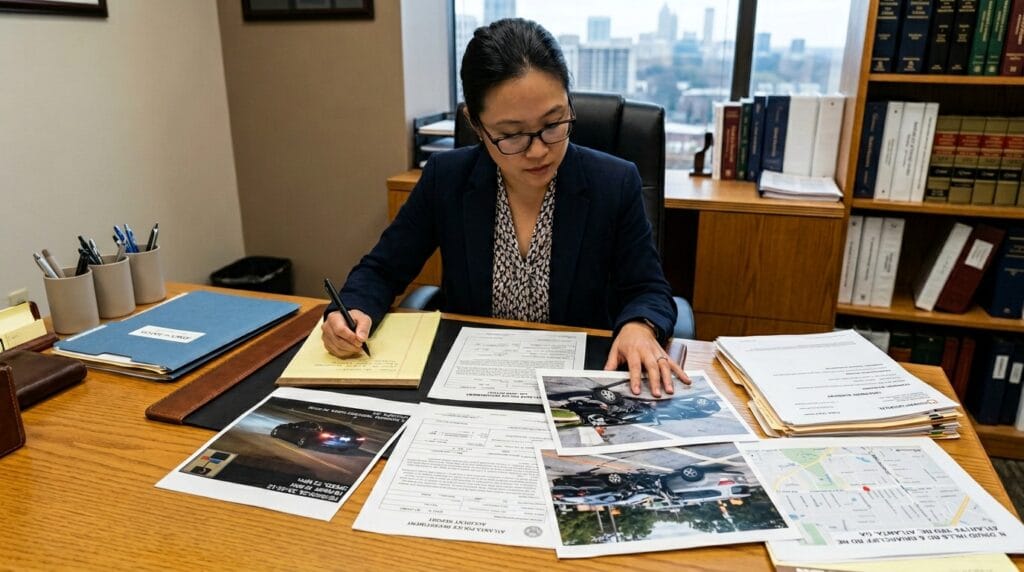
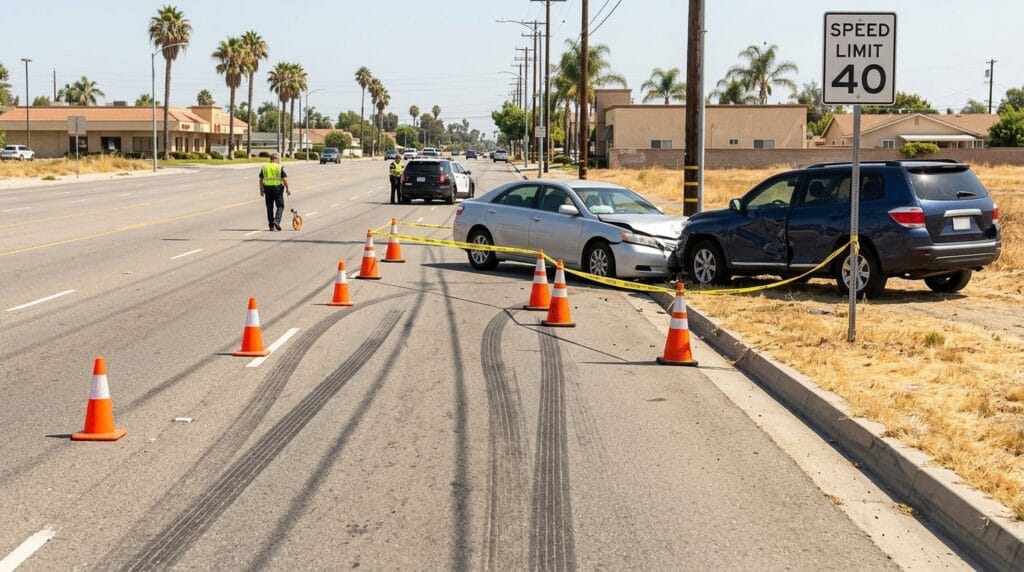
Strong evidence can protect speed safety camera accident claims from insurance disputes. Take photos of vehicle positions, damage, skid marks, debris, road signs, speed limit signs, traffic signals, crosswalks, lane markings, and nearby cameras.
Look for video sources quickly. Dashcams, traffic cameras, business cameras, apartment cameras, bus cameras, and nearby security systems may show the crash. Many systems overwrite footage within days. Fast action can save proof before it disappears.
Victims should also save their own records. Keep medical bills, discharge papers, prescriptions, repair estimates, missed-work notes, photos, videos, and insurance letters. A simple injury journal can also help show pain, sleep problems, work limits, and daily struggles.
Digital evidence may also matter. Vehicle data, phone records, navigation logs, and app activity can help show distraction or late reaction. Your site’s article on California distracted driving accident claims explains how phone, map, and screen evidence can affect fault.
Some speed-related crashes also happen near disabled vehicles on the shoulder. If a speeding driver hits a stopped vehicle with hazard lights, your guide on California move over law accident claims gives readers more context.
Modern claims can also involve autonomous or app-based vehicles. If a robotaxi, automated vehicle, or advanced driver-assist system played a role, readers may want to review your post on California robotaxi accident claims in 2026.
Do Not Rely on the Insurance Company to Find the Evidence
Insurance companies do not work for the injured person. They may focus on facts that reduce the payout. They may ignore missing video, downplay speed, or blame the victim.
Victims should act quickly. Ask about nearby cameras. Preserve photos. Save medical records. Avoid detailed recorded statements until you understand the claim. A quick settlement may not include future treatment, lost income, pain, or long-term limits.
Final takeaway: Speed safety camera accident claims can change how California crash victims prove fault. Automated speed evidence may show that a driver ignored the limit, reacted too late, or created a severe crash risk. Still, camera data works best when supported by medical records, scene photos, witness statements, vehicle damage, and video. If you were hurt in a speed-related crash, document everything early and review every possible source of evidence before accepting an insurance offer.