

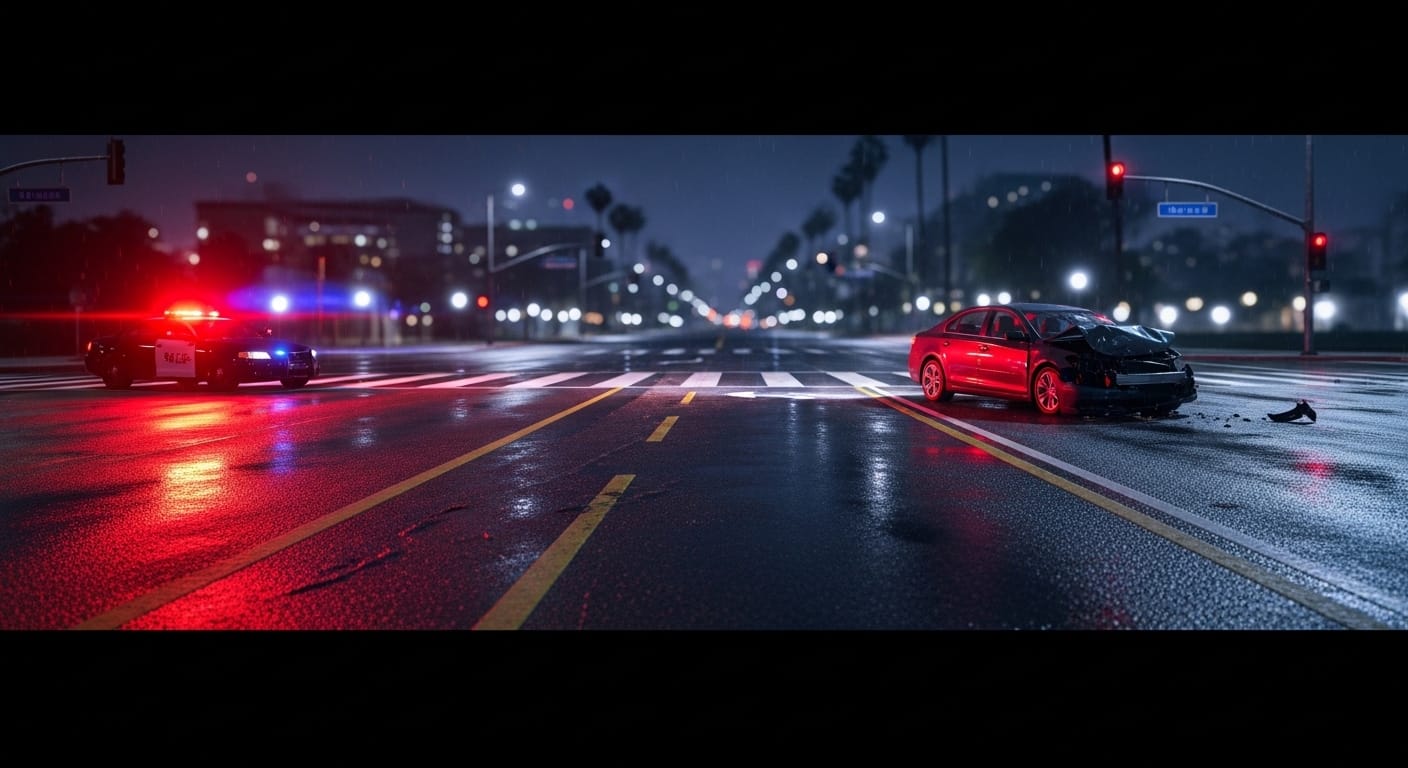
A California hit-and-run accident can leave victims with pain, vehicle damage, medical bills, and no clear answer about who will pay. One driver causes a crash, leaves the scene, and forces the injured person to deal with the aftermath. That situation feels unfair because it is unfair.
Hit-and-run crashes remain a serious issue in 2026. These cases may involve pedestrians, bicyclists, rideshare passengers, parked cars, freeway crashes, and late-night collisions. Some drivers flee because they lack insurance. Others may panic, drive under the influence, have a suspended license, or fear arrest.
A California hit-and-run accident claim needs fast action. Evidence can disappear quickly. Cameras may overwrite footage. Witnesses may leave. Damaged vehicles may get repaired. Insurance deadlines can also create problems if the victim waits too long.
Why Hit-and-Run Accident Claims Are Different
A normal auto accident claim usually starts with the other driver’s name, license plate, insurance company, and statement. A hit-and-run claim often starts with missing information. That makes the first few days very important.
Victims should not assume the case is over because the driver fled. Police may identify the vehicle later. Video may capture the plate. Witnesses may remember useful details. Insurance coverage may also help when the driver remains unknown.
A Fleeing Driver Creates an Evidence Gap
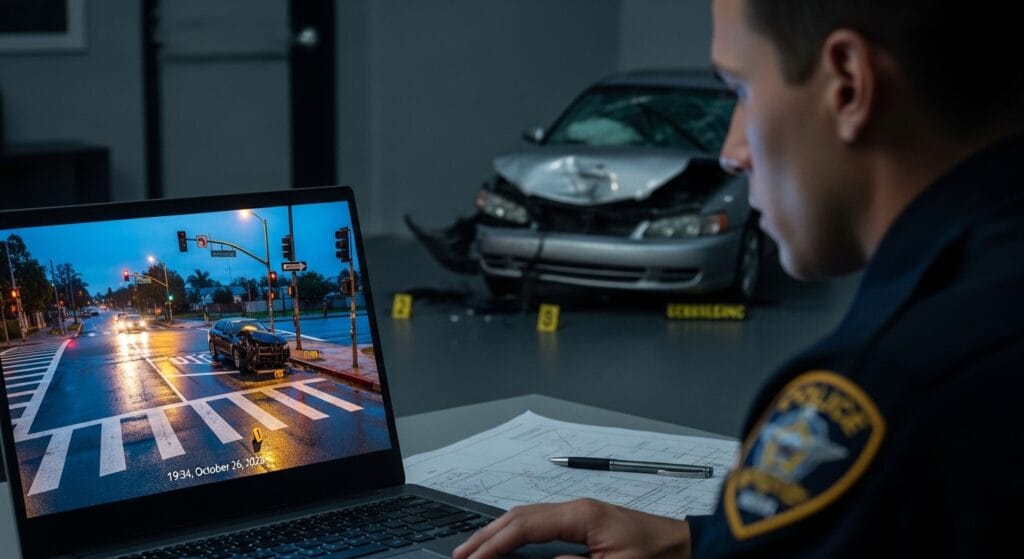
When the at-fault driver leaves, the victim may not know who caused the crash. That does not end the claim. It means the victim needs to preserve every useful detail before it disappears.
Important evidence may include a partial plate number, vehicle color, make, model, direction of travel, crash location, debris, paint transfer, and witness statements. Even small details can help. A broken headlight, bumper damage, or unique sticker may help police identify the fleeing vehicle.
In a California hit-and-run accident, the area around the crash can also provide evidence. Nearby stores, homes, gas stations, buses, rideshare vehicles, delivery trucks, and dashcams may record the fleeing driver. Fast action improves the chance of finding that footage.
Police Reports Matter After a Hit-and-Run
Victims should report a hit-and-run crash as soon as possible. A police report can document the date, time, location, injuries, vehicle damage, witness names, and fleeing driver details. Insurance companies often ask for this report before reviewing a hit-and-run claim.
A police report also creates an official record. That record can help if the victim later files an uninsured motorist claim. It can also support the victim if the insurance company questions whether the crash really happened as described.
Still, a police report may not include everything. Officers may not collect every private video. They may not speak to every witness. Victims should keep their own notes, photos, and records.
Video Evidence Can Change the Case
Video can make a major difference. A security camera may capture the fleeing vehicle. A dashcam may show the impact. A doorbell camera may record the vehicle before or after the crash. A bus camera may show the driver’s route.
Victims should act quickly because many camera systems delete old footage within days. If the crash caused serious injuries, preservation requests may help protect video before it disappears.
Video can also show why the crash happened. It may show speeding, distraction, unsafe lane changes, or failure to yield. This topic connects well with your article on California distracted driving accident claims in 2026, because phone use and screen distraction often appear in hit-and-run cases.
Pedestrians, Cyclists, and Passengers Face Extra Risk
Hit-and-run crashes can cause severe injuries when the victim has little protection. A pedestrian, bicyclist, scooter rider, or motorcycle rider may suffer serious harm even at lower speeds. A passenger may also face a confusing claim if the driver flees or if another unknown vehicle caused the crash.
Common injuries may include broken bones, head trauma, back injuries, spinal injuries, shoulder injuries, knee injuries, internal injuries, cuts, and emotional trauma. Some victims also fear walking, driving, or riding again after the collision.
The insurance company may try to downplay these injuries. It may argue that symptoms came from another event. It may also question delayed treatment. Medical records help fight those arguments.
Delayed Medical Care Can Hurt the Claim
Victims should get medical care quickly after a hit-and-run crash. Some symptoms do not appear right away. Adrenaline can hide pain. Headaches, dizziness, neck pain, back pain, numbness, and confusion may worsen later.
Medical records connect injuries to the collision. They also show treatment needs, work restrictions, therapy, prescriptions, and future care. Victims should keep emergency records, imaging results, referrals, receipts, mileage logs, and missed work records.
Prompt care also helps answer insurance questions. If the victim waits too long, the insurer may argue that the injuries were minor or unrelated. That argument can reduce the value of a valid claim.
How Victims Can Protect a California Hit-and-Run Accident Claim
After a hit-and-run crash, safety comes first. Move out of traffic if possible. Call 911 if anyone is hurt. Do not chase the fleeing driver. A chase can create more danger and may complicate the claim.
Once safe, gather details. Take photos of the scene, vehicle damage, debris, traffic signals, skid marks, street signs, and visible injuries. Write down the exact location and time. Ask witnesses what they saw. Save their names and phone numbers.
Insurance Coverage May Become the Main Recovery Source
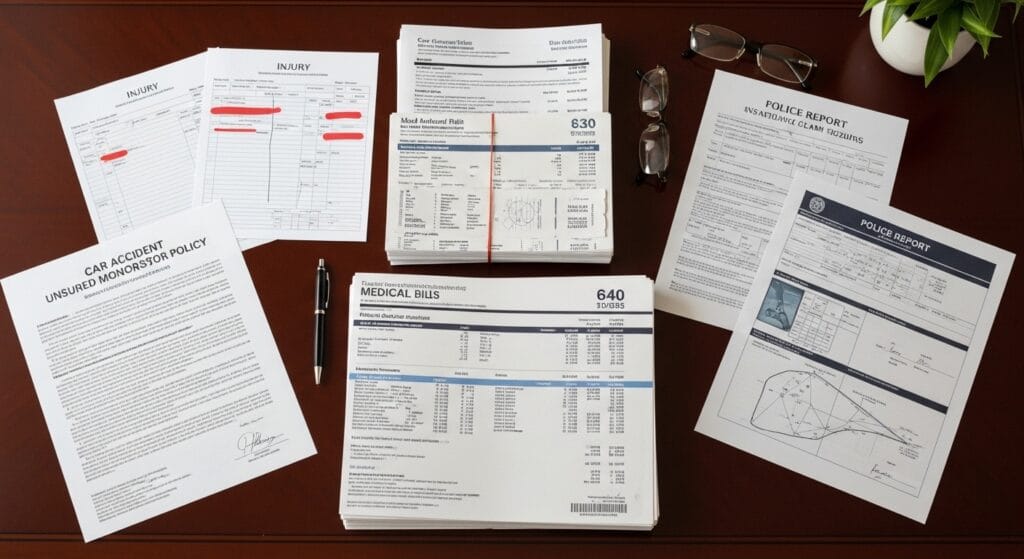
If police identify the fleeing driver, the victim may file a claim against that driver’s insurance. If police cannot find the driver, or if the driver has no insurance, the victim may need to use uninsured motorist coverage.
Uninsured motorist coverage can become very important after a California hit-and-run accident. Depending on the policy, it may help with medical bills, lost income, pain and suffering, and other damages. Victims should notify their own insurer quickly and follow policy requirements.
This section connects naturally with your guide on how to navigate uninsured motorist claims in California. That article already explains how UM coverage can apply when the at-fault driver has no insurance or leaves the scene.
Be Careful With Insurance Statements
Insurance adjusters may call soon after the crash. They may ask for a recorded statement. They may ask what happened, how fast the vehicles moved, whether the victim feels better, or whether the victim saw the other driver. Victims should not guess.
A simple statement can cause problems later. Saying “I am okay” may hurt the injury claim. Saying “I did not see the car” may let the insurer question fault. Saying “I am not sure yet” may be more accurate when the facts are still under investigation.
A California hit-and-run accident may also involve a rideshare driver, delivery driver, or stopped vehicle hazard. If a rideshare driver caused or witnessed the crash, your article on California rideshare accident claims in 2026 can support the coverage discussion.
If the crash happened near a disabled vehicle, shoulder stop, tow truck, or hazard-light situation, your post on California move-over law accident claims may also help readers understand related safety duties.
The bottom line is direct. A hit-and-run does not end a victim’s legal options. The claim may be harder, but it can still move forward with the right evidence, police report, medical records, and insurance review.
A California hit-and-run accident claim should focus on identifying the fleeing driver, preserving video, documenting injuries, and reviewing uninsured motorist coverage. Victims should act quickly because time can decide whether key proof survives.
For additional authority, readers can review NHTSA’s 2024 crash overview at NHTSA.gov, California DMV accident reporting rules at DMV.ca.gov, and California Department of Insurance auto coverage guidance at Insurance.ca.gov.