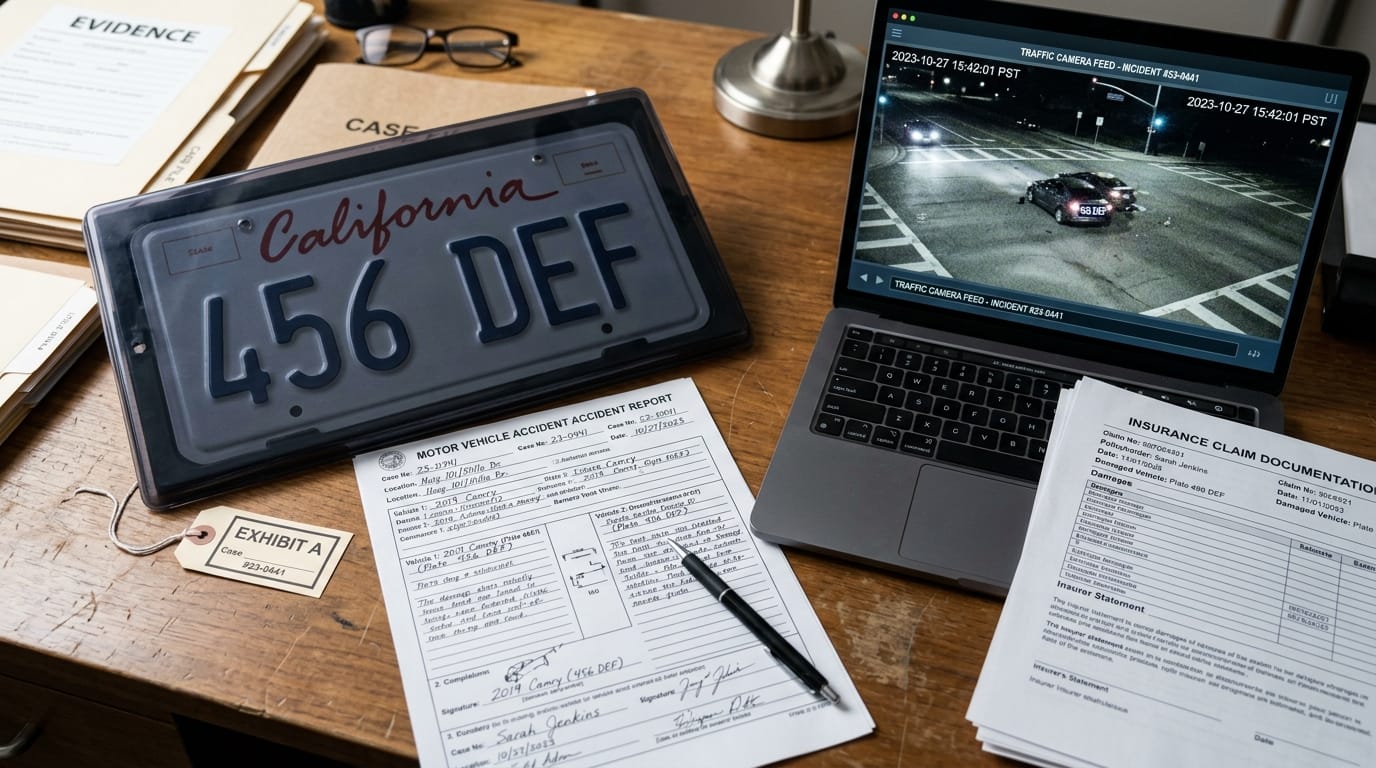
California ghost plate accident claims 2026 are getting more attention because license plate obstruction can create major problems after a crash. A driver may flee the scene. A witness may try to read the plate. A camera may capture the vehicle. But if a tinted cover, spray, frame, or device blocks the plate, the victim may lose a key piece of evidence.
That problem can turn a normal accident claim into a much harder investigation. Injured people need the at-fault driver’s identity, insurance information, vehicle details, and crash evidence. When the plate is unreadable, the claim may involve hit-and-run issues, uninsured motorist coverage, law enforcement reports, camera footage, and quick evidence preservation.
In 2026, California’s attention on license plate obstruction matters for injury victims. The issue is not only about traffic tickets or toll evasion. It can affect whether a crash victim can identify the driver who caused their injuries. It can also affect how insurance companies handle the claim.
This guide explains how California ghost plate accident claims 2026 may involve obscured plates, hit-and-run crashes, camera evidence, insurance disputes, medical bills, and legal strategy after an auto accident.
Why Obscured License Plates Matter After A California Crash
A license plate is one of the most important identifiers after a crash. It helps police find the vehicle. It helps witnesses report the right driver. It helps traffic cameras, security cameras, toll cameras, and dashcams confirm who was involved.
When a driver uses a cover or device that makes the plate hard to read, the investigation becomes harder. A witness may remember the color and model of the car but miss the plate number. A camera may capture the crash but fail to read the plate clearly. That delay can hurt the victim’s chance to recover compensation.
California DMV highlighted AB 1085 as a 2026 law addressing license plate obstruction or alteration. The DMV explains that the law targets products or devices that obscure or interfere with the visual or electronic reading of a license plate. You can review the official DMV summary here: California DMV Highlights New Laws in 2026.
For accident victims, this law matters because accountability starts with identification. If the at-fault driver cannot be identified, the victim may need to use other evidence and coverage options.
Ghost Plates Can Make Hit-And-Run Claims Harder
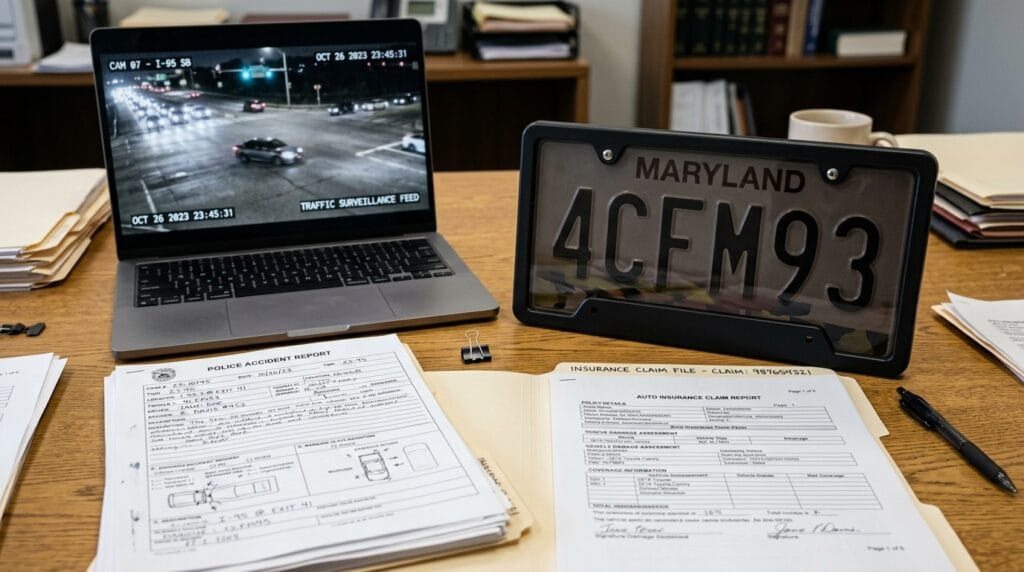
A hit-and-run crash already creates stress. The victim may have injuries, vehicle damage, and no driver information. A ghost plate makes the situation worse because it can block one of the fastest ways to identify the vehicle.
Some drivers may use plate covers or alteration devices to avoid tolls, cameras, or enforcement. After a crash, that same obstruction can prevent a witness or camera from reading the plate. The victim may then need to search for nearby security footage, dashcam clips, traffic camera records, and witness statements.
Time matters in these cases. Businesses may delete footage within days. Dashcams may overwrite files. Traffic camera access may require fast action. The sooner the victim starts preserving evidence, the better.
Camera Footage May Not Be Enough By Itself
Many people assume camera footage solves the case. That is not always true. A camera may show the crash clearly but fail to capture the plate. It may show only the rear of the vehicle at night. It may record glare, motion blur, or a tinted plate cover.
That does not make the footage useless. It can still show vehicle color, shape, direction of travel, impact location, speed, lane movement, and driver behavior. It can also help police compare the vehicle to nearby footage from other cameras.
A victim should not rely on one camera. They should look for footage from gas stations, parking lots, homes, buses, rideshare vehicles, delivery vehicles, traffic cameras, and nearby businesses.
Witness Details Can Fill In The Missing Pieces
Witnesses can help when the plate is unreadable. A witness may remember a unique bumper sticker, damage, wheel style, roof rack, missing light, or vehicle sound. Those small details can narrow the search.
Witnesses may also describe how the crash happened. They may confirm that the driver ran a red light, changed lanes suddenly, fled the scene, or appeared distracted. Their statements can support the claim even when the plate number is incomplete.
Victims should collect witness names, phone numbers, and short notes about what each person saw. Memories fade quickly. Written details can help later when insurance companies question the facts.
Insurance Issues Can Become More Complicated
California ghost plate accident claims 2026 may involve several insurance problems. If the at-fault driver leaves and no one identifies them, the victim may need to review uninsured motorist coverage. If police later identify the driver, the claim may shift toward that driver’s liability insurance.
Insurance companies may still challenge the claim. They may question whether a hit-and-run happened. They may argue that the victim cannot prove another driver caused the crash. They may dispute injuries, treatment, property damage, or coverage.
This is why early documentation matters. A police report, photos, medical records, repair estimates, witness statements, and camera footage can all support the claim. Victims should also keep every insurance letter and claim number.
If the crash involved a roadside vehicle or hazard lights, your related guide on California Move Over Law Accident Claims in 2026 can help readers understand another important 2026 roadway safety issue.
Uninsured Motorist Coverage May Be Important
Uninsured motorist coverage can become important when a hit-and-run driver cannot be found. It may help cover injury damages when the at-fault driver has no available insurance or cannot be identified.
However, victims still need proof. They usually need to show that another driver caused the crash, that they suffered injuries, and that the claim fits the policy terms. Insurance companies do not simply pay because the other driver disappeared.
A victim should report the crash quickly, seek medical care, preserve evidence, and notify their insurer. Delays can create problems. Policy deadlines can also matter, so victims should review coverage early.
How Victims Can Protect A Ghost Plate Accident Claim
The first step after any crash is safety and medical care. Call 911 if anyone is injured or the other driver fled. Move to a safe place if possible. Get medical attention for head pain, neck pain, back pain, dizziness, numbness, chest pain, or any serious symptom.
Medical records help protect both health and the claim. They document injuries, treatment, imaging, prescriptions, work restrictions, and future care needs. Insurance companies often use treatment gaps against victims.
After medical needs, evidence becomes the priority. Take photos of the scene, vehicle damage, license plate area, debris, skid marks, traffic signs, lane markings, and nearby cameras. If the other vehicle left, write down everything you remember immediately.
Preserve Digital Evidence Before It Disappears
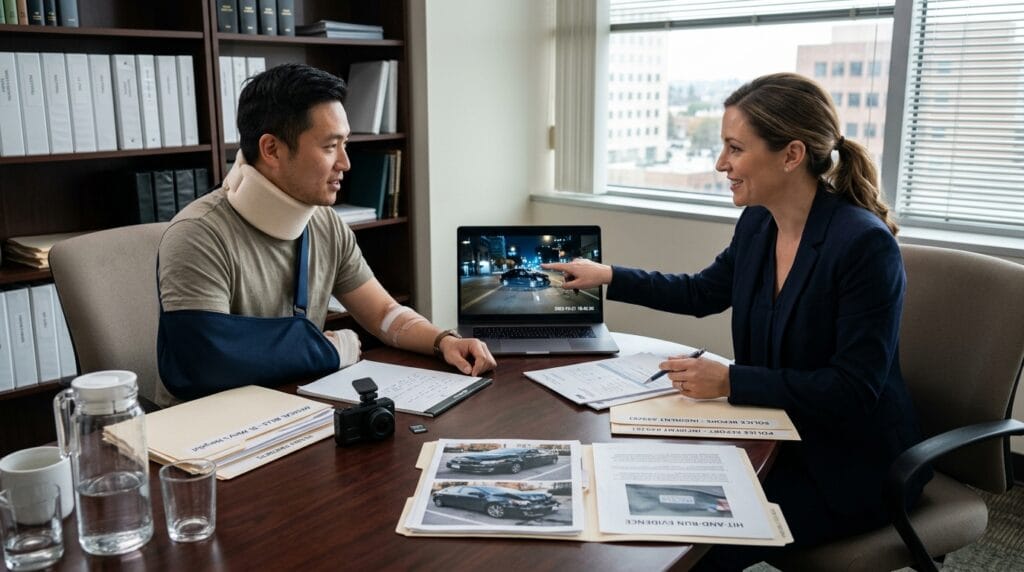
Digital evidence can make or break a ghost plate case. Dashcam footage may show the crash. Security footage may show the fleeing vehicle. A nearby camera may capture a better angle of the plate. Phone photos may show the scene before vehicles move.
Victims should act quickly because many systems delete old footage. Ask nearby businesses if they have exterior cameras. Look for homes with doorbell cameras. Check whether witnesses have dashcams. Save your own dashcam file before it overwrites.
If distracted driving may have caused the crash, readers can review California Distracted Driving Accident Claims in 2026. If the crash involved an automated vehicle or ride-hailing technology, see California Robotaxi Accident Claims in 2026.
Do Not Give The Insurance Company A Guess
Insurance adjusters may ask for details before the victim knows the full story. Be careful. Do not guess the speed, distance, plate number, or direction if you are unsure. A wrong guess can create confusion later.
It is better to say what you know and explain what evidence may still exist. For example, you may know the vehicle color, body style, and direction of travel. You may also know that a nearby store had a camera. Those facts matter.
If children or school-zone conditions played a role, your article on California School Zone Accident Claims in 2026 can support readers with related safety and liability questions.
California ghost plate accident claims 2026 show why small details can carry major legal weight. A license plate cover may look minor, but it can delay identification, weaken camera evidence, and complicate insurance recovery after a crash.
The bottom line is simple. Victims should get medical care, call police, preserve photos and video, identify witnesses, look for nearby cameras, and avoid rushed insurance statements. If the at-fault driver used an obscured plate or fled the scene, the claim needs fast action.
A hidden plate should not hide responsibility. Strong evidence, quick reporting, and careful claim handling can help injured people protect their rights after a California auto accident.